


What Factors Affect Moving Costs?
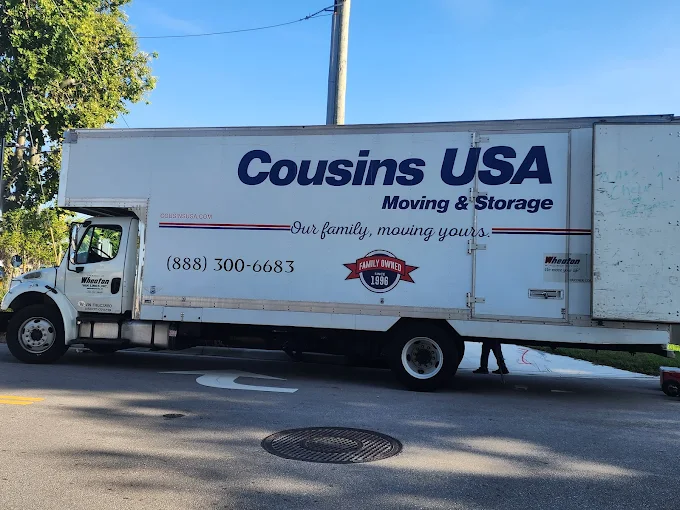
If you’re planning a move, one of the first questions you probably have is: “How much will this cost?” The truth is, moving costs can vary depending on several important factors. Understanding what impacts pricing can help you plan ahead, avoid surprises, and make your move as smooth as possible.
Here are the biggest factors that can affect the cost of your move:

1. Distance of the Move
One of the biggest pricing factors is how far you’re moving.
Local moves are typically priced differently than long-distance or interstate relocations. A move across town will generally cost less than a move across the state or country because of fuel, travel time, mileage, and logistics involved.
2. Size of Your Move
The amount of belongings you have directly impacts moving costs. A small apartment move usually requires fewer movers, less truck space, and less time than a large home or office relocation. More furniture, boxes, and specialty items mean more labor and equipment may be needed.
3. Packing Services
Some customers prefer to pack themselves, while others choose full-service packing. Professional packing services can save you time and help protect fragile belongings, but they also add to the overall cost of the move. The number of boxes, packing materials, and labor required all play a role in pricing.
4. Moving Date & Season
Believe it or not, when you move can significantly affect pricing. Summer is typically peak moving season, especially between May and August. Weekends, holidays, and end-of-month dates are also in high demand. During busy periods, availability becomes more limited and pricing may increase. If your schedule is flexible, moving during off-peak times can sometimes help reduce costs.
5. Accessibility of Your Home
The layout and accessibility of both locations can impact how long the move takes.
Factors that may increase labor time include:
- Multiple flights of stairs
- Long walking distances
- Elevator restrictions
- Narrow hallways
- Limited parking access
- Gated communities or loading dock requirements
The easier it is for movers to access your belongings, the more efficient the move can be.
6. Specialty or Heavy Items
Large or delicate items often require additional care and equipment.
Examples include:
- Pianos
- Safes
- Pool tables
- Large glass furniture
- Antique items
- Fine art
- Gym equipment
These items may require extra movers, custom protection, or specialized handling.
7. Storage Needs
If your new home isn’t ready yet, storage may be necessary during the moving process.
Short-term or long-term storage services can affect overall pricing depending on:
- Length of storage
- Size of storage space needed
- Climate-controlled requirements
- Additional handling of items
How to Get the Most Accurate Moving Estimate
The best way to understand your moving costs is to request a professional estimate. A reputable moving company will evaluate your specific needs, inventory, timing, and logistics to provide transparent pricing. At Cousins USA Moving & Storage, we believe in helping customers feel informed and prepared every step of the way. Whether you’re planning a local move, long-distance relocation, or need storage solutions, our team is here to help make the process easier. Planning a move this year? Contact our team today for a free estimate and personalized moving plan.